


2/17/2026
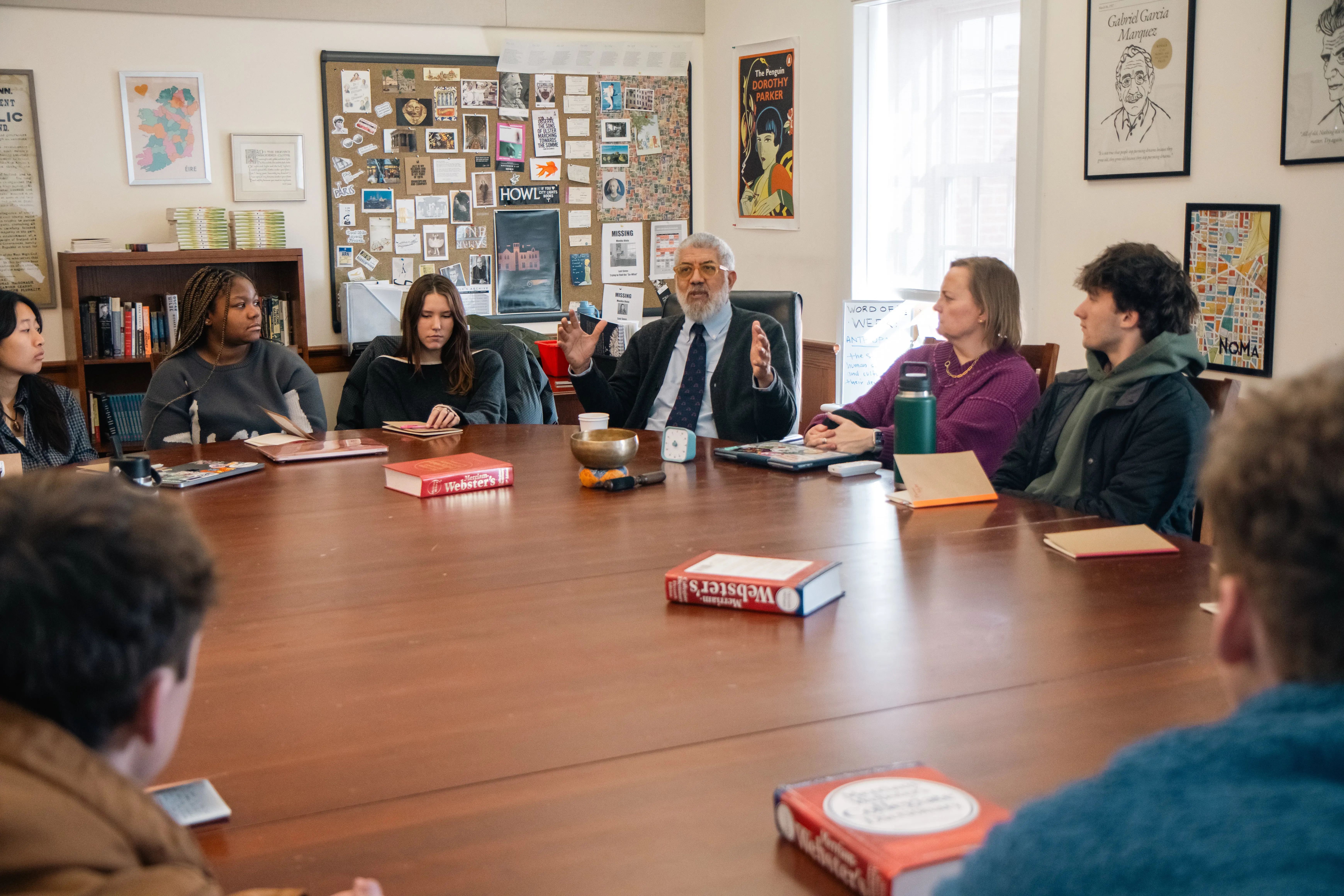
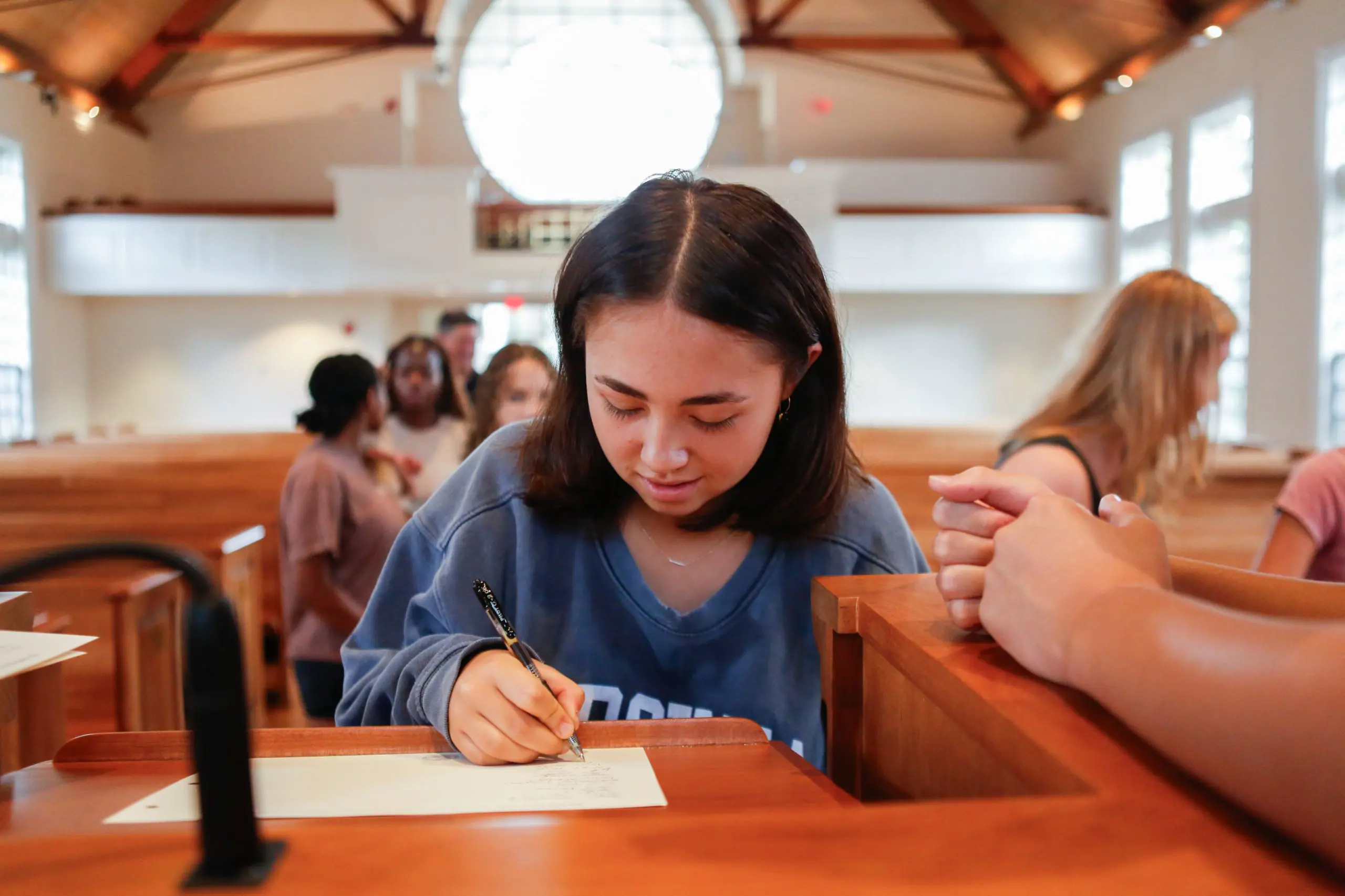
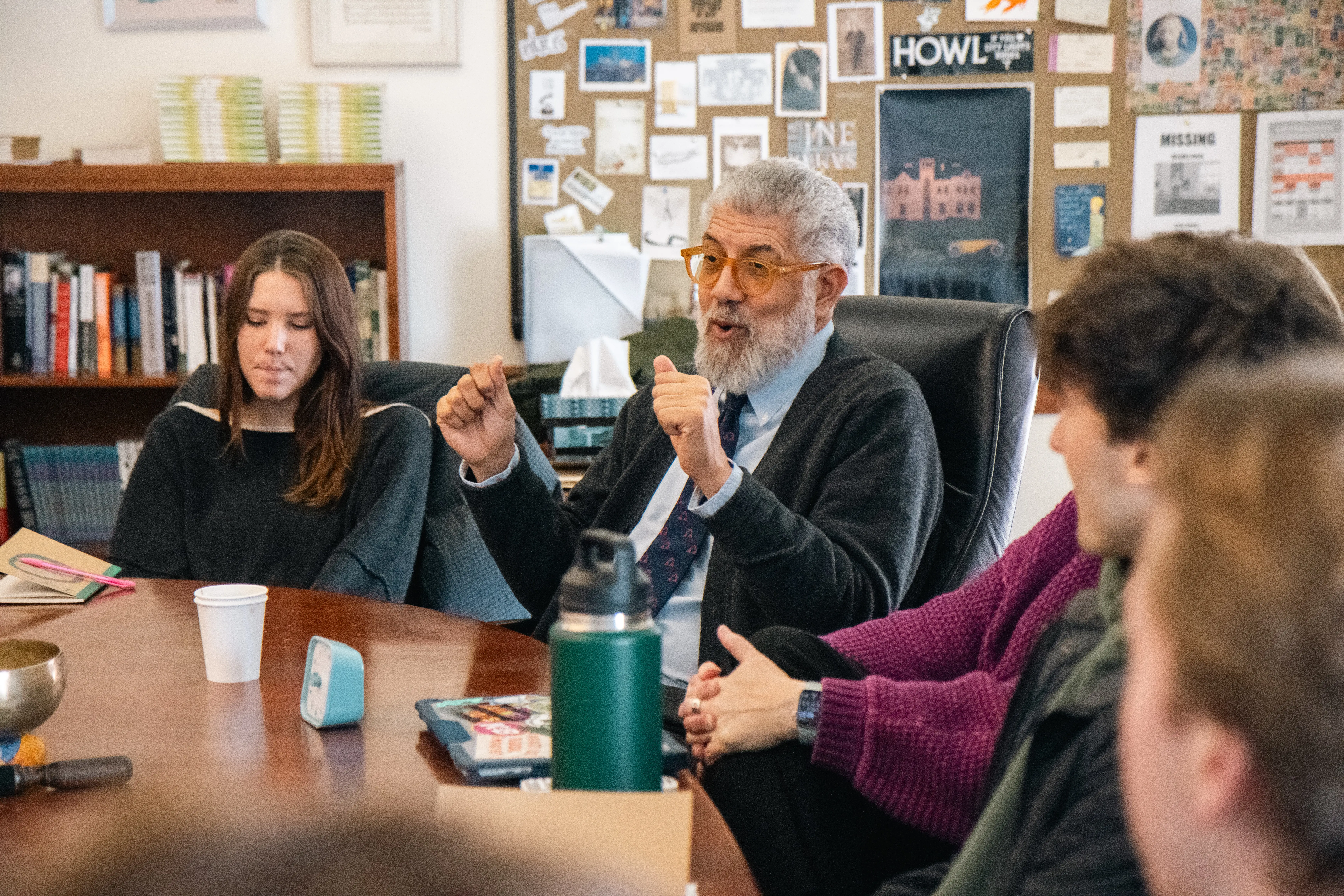
For one winter week in February, Episcopal welcomed Rt. Rev. Robert Wright, the 10th Bishop of the Episcopal Diocese of Atlanta. As the 2026 Theologian-in-Residence, he spent his time preaching in chapel, visiting classrooms, and sitting in conversations with students who asked everything from why believe in God to who is his favorite jazz musician?
Wright arrived with an unusual résumé. Before entering the seminary, he served five years in the U.S. Navy, studied at Howard University, worked for mayors in Washington, D.C., and spent time at the Children’s Defense Fund alongside Marian Wright Edelman. “I always say I was introduced to Christianity by someone with the gift of normalcy,” he shared. “Rev. Vincent Harris, the chaplain at Howard, was just a regular guy who wasn’t afraid to create space for me to ask my questions.” Wright spoke candidly about wrestling with faith as a Black historian, particularly the harm done to Black and brown communities in the name of Christianity. “I had to separate who God is from what’s been done in God’s name,” he said.
Students leaned into that complexity. In evening discussions and open Q&A sessions, they challenged Wright on the death penalty, pushing him to distinguish justice from vengeance. They probed the relationship between morality and religion, wrestled with doubt, and asked what it truly means to live ethically in a fractured world. Wright met their curiosity with admiration. “These students are fearless thinkers,” he learned. “They're exploring ideas philosophically and trying to figure out what morality means to them. It’s sacred work to be a part of.”
In his sermon on “the good life,” Wright challenged students to think beyond happiness and achievement, pointing instead toward a life grounded in contentment, peace, and purpose. “It’s more than money,” he said. “More than degrees and distinctions. I want students to ask what a good life actually looks like for them.” That question connects to his wider work, including his podcast “For People,” which reaches listeners in more than 100 countries and features conversations about leadership, faith, and moral courage. It also underlies his call to re-center Christianity on the historical Jesus of Nazareth rather than on political or cultural distortions.
As his week at Episcopal came to a close, Wright’s advice to students questioning their beliefs was direct and encouraging. “Don’t be lazy,” he said, smiling. “If a spiritual question keeps tapping you on the shoulder, it’s bothering you for a reason. Go get it answered.” He urged students to read widely, explore different traditions, and understand that answers evolve over time. “I wish I’d given myself more kindness when I was their age. More space to stumble and get back up. I hope the students took away the lesson that life is not an adversary. There are resources all around you.”